Being surprised with a favorite candy. Having a peaceful moment in a garden among flowers. Choosing for yourself what sounds good for lunch. For someone living with dementia, these everyday moments can mean the difference between thriving and becoming withdrawn and frustrated. At The Windsor House at Brandon Wilde, knowing what brings each resident comfort, connection, and joy is an essential part of providing care.
For families seeking the best memory care in the CSRA, Brandon Wilde brings together specialized training, deeply personalized support, thoughtfully planned activities, and the clinical resources of a best-in-class Life Plan Community. Located in Evans, Georgia, The Windsor House offers a welcoming setting where residents can continue to enjoy life, while their families gain a trusted partner in care.
A Life Story That Helps Shape Each Day
At the heart of Brandon Wilde’s approach is Heartfelt Connections – A Memory Care Program®, an LCS signature program that emphasizes what each resident can still do.
“We focus on what remains, rather than what is lost,” says Director of Sales & Marketing Sandy Shirk. “We adapt to meet each resident’s physical and emotional needs, meeting them where they are now.”
“We also want to know their life story,” adds Director of Health Services Sales & Outreach Lisa Story. “That understanding helps us incorporate what always mattered to a resident into their life in memory care.”
Learning begins through conversations with families about a loved one’s history, routines, interests, and preferences. Life Enrichment Coordinator Marquita Bostic uses that information to help create opportunities for meaningful engagement.
These details have a practical purpose. Knowing that someone loves jazz music or bingo gives team members a familiar starting point for connection. It also helps them understand what might offer reassurance on a difficult day.
Specialized Training with a Daily Purpose
Understanding dementia takes preparation. Registered Nurse Janet Dawson, who oversees Brandon Wilde’s Heartfelt Connections program, and Bostic work together on team member training, ensuring that everyone who works in The Windsor House — from aides, to housekeepers, to servers, to maintenance — learns to meet residents where they are, responding to their current abilities and experience with patience and empathy. When someone appears frustrated or unsettled, caregivers look for the need behind that expression. Is the person hungry, thirsty, uncomfortable, or in pain? Do they need help getting to the bathroom? Is an activity asking too much of them at that moment?
“We need to become detectives sometimes,” explains Story. “A resident may be unable to explain what is wrong, so caregivers pay attention to cues and look for ways to help.”
The approach also encourages gentle redirection and familiar points of connection. Understanding a resident’s perspective helps team members respond in ways that preserve dignity and offer reassurance.
Engagement That Fits the Resident and the Moment
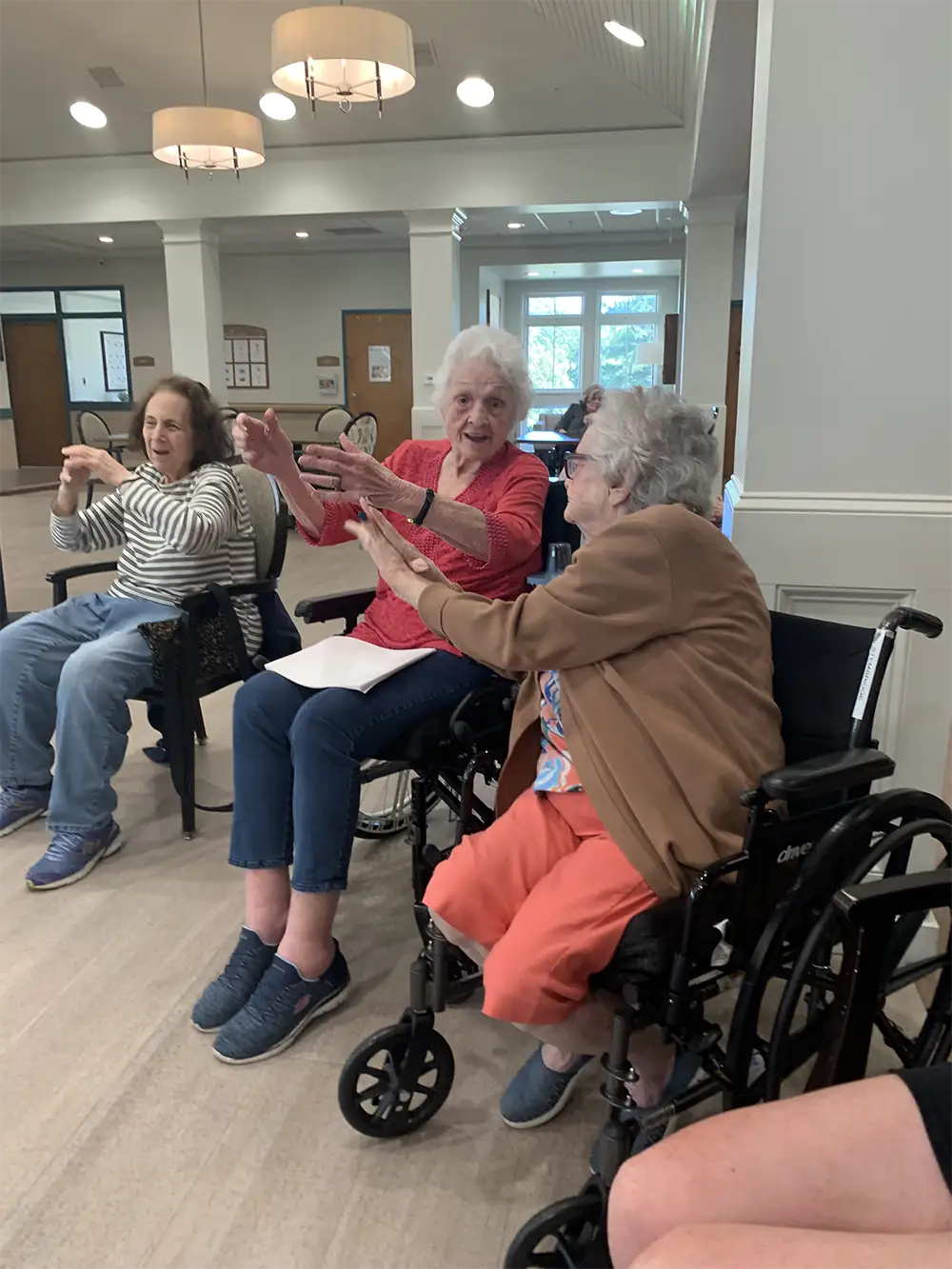
A thoughtful activity schedule considers when residents are most comfortable participating. At The Windsor House, activities that call for more concentration, such as trivia, may take place earlier in the day. Later activities are planned to place fewer demands on residents’ thinking and reasoning.
The team’s guiding phrase is “the right activity at the right time for the right outcome,” says Dawson. The goal is to create opportunities for enjoyment and participation while limiting frustration.
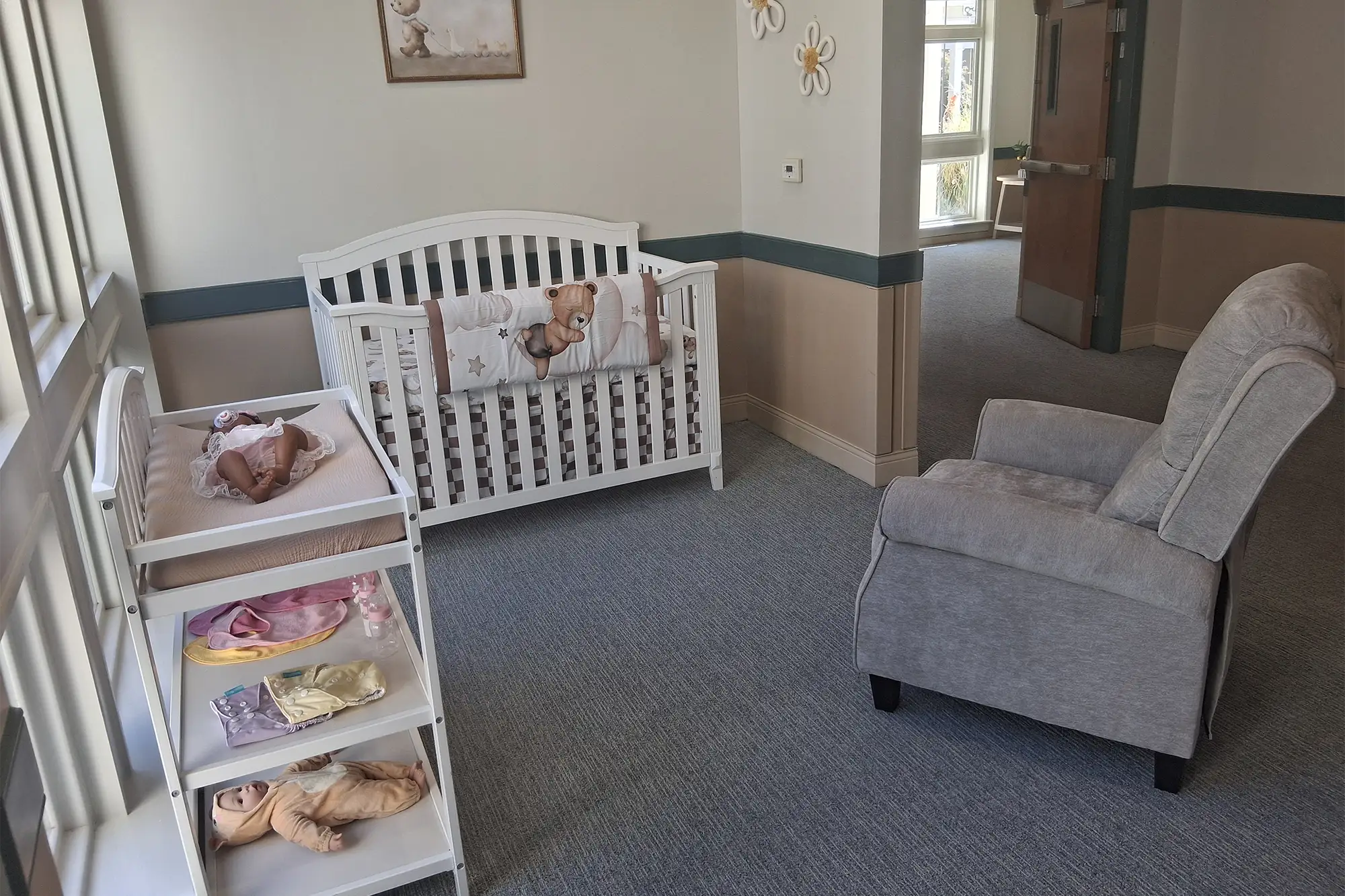
Engagement continues beyond the activity calendar through life stations and other points of interest. A nursery area includes baby dolls, a crib, a changing table, and a recliner where residents can sit comfortably. Another station features a vanity with jewelry and scarves. These spaces are adjusted over time to reflect specific residents’ interests and needs.
Interactive artwork in the hallways can play music or tell a story at the push of a button. A large aquarium offers another inviting place to pause. Outdoors, residents and families can spend time together near flower beds and wind chimes or enjoy a snack in the sitting area.
These settings also give families ways to share an experience during a visit. Looking at the aquarium, exploring scarves, or sitting among the flowers can provide a natural starting point for connection.
Dining That Supports Choice and Independence
Meals are another opportunity to preserve residents’ independence. The Windsor House serves chef-prepared meals, and its team pays attention to how choices are presented.
Rather than relying only on a spoken description, team members can plate two options and show them to the resident. Seeing the food makes the choice more concrete, while a manageable number of options helps avoid overwhelming the person.
Brightly colored Fiestaware dishes help food stand out on the plate.
Foods that can be comfortably held offer another way to maintain independence when using utensils becomes difficult. A muffin, sandwich, or pieces of fruit can allow someone to continue feeding themselves. “We’re also happy to offer food on the go for residents who prefer moving around to sitting for an extended meal,” Dawson says.
Each adjustment serves the same purpose: helping a resident enjoy food, express preferences, and do as much as possible for themselves.
Clinical Resources Close at Hand
The Windsor House combines everyday support with access to clinical care. A registered nurse serves as its unit manager, certified medication aides assist with medications, and a registered nurse is available around the clock through The Pavilion on campus.
Residents also have access to physical, occupational, and speech therapies, along with a certified music therapist.
“Through visiting on-campus visits from doctors and nurse practitioners, we can order medicine, do lab work, and X-rays right here when appropriate, which reduces the need for some off-campus trips,” Dawson says. Transportation is also available when residents need to attend outside medical appointments.
A Comfortable Place to Call Home
The Windsor House offers 25 private suites with a kitchenette, living area, bedroom, bathroom, and closet space. Residents have a private place to settle in and inviting common spaces where they can spend time with others.
Choosing memory care can be emotional, particularly for a spouse or adult child who has been managing care at home. Story frequently hears from people who love their family member deeply but are exhausted by the responsibilities of caregiving.
With daily care supported by the team, family visits can offer more time for conversation, companionship, and shared experiences.
New residents also often begin to thrive when given ample opportunity to engage and connect in a comfortable, secure, and supportive environment. Story recalled a woman who became tearful during a visit after seeing residents enjoying all activities available at The Windsor House. “She had been caring for her mother at home in isolation and was moved by the possibility of her mother becoming more socially engaged,” she says.
Families remain involved through care planning and gatherings where residents, families, and team members can all be together. A quarterly Heartfelt Connections support group offers opportunities to ask questions, hear from speakers, including representatives of the Alzheimer’s Association, and connect with other families.
“We can become the expert caregivers so that you can become the son or daughter again,” Story explains.
Learn More
To learn more or schedule a visit, call The Windsor House at 706-535-7818 or visit https://www.brandonwilde.com/health-services/memory-care/